Garmin Instinct 2 vs Forerunner 255 – Check Which One Is Best & Why?

Garmin Forerunner 255 & Garmin Instinct 2 share many similarities, but there are also important differences, such as quality, performance, features, design, and connectivity. If you want the best one between them, I Would recommend the Garmin Forerunner 255 rather than the Garmin Instinct 2. 
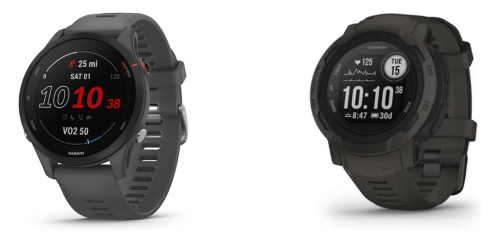
Why Do I Recommend The Garmin Forerunner 255

  • The Garmin Forerunner 255 supports multi-band GNSS for more accurate pace and distance tracking in dense cities and wooded areas, while the Garmin Instinct 2 uses standard multi-GNSS positioning.
  • Garmin Forerunner 255 features advanced running training metrics for more precise workout planning and performance analysis, whereas the Garmin Instinct 2 focuses more on general outdoor activity tracking.
  • It includes full triathlon and multisport modes for seamless race transitions across swim, bike, and run segments, while the Garmin Instinct 2 has a more limited multisport workflow.
  • The Garmin Forerunner 255 comes with Training Readiness for better daily decisions on workout intensity and recovery needs, whereas the Garmin Instinct 2 does not include this metric.
  • Garmin Forerunner 255 supports HRV Status tracking for deeper insight into recovery trends and training adaptation, while the Garmin Instinct 2 lacks native HRV status reporting.
  • It includes a color display for clearer data visualization and easier interpretation of charts and metrics during workouts, whereas the Garmin Instinct 2 uses a monochrome display.
  • The Garmin Forerunner 255 supports onboard music storage on Music editions for phone-free workouts with wireless headphones, while the Garmin Instinct 2 does not support onboard music playback.
  • Garmin Forerunner 255 features race-focused tools such as structured pace guidance for better control during competitive events, while the Garmin Instinct 2 emphasizes outdoor navigation over race execution tools.

Maybe the Garmin Instinct 2 price can make you comfortable because it’s a little bit cheaper than the Garmin Forerunner 255. But you have to compromise all the above-mentioned features. Now the Decision is Yours. I hope it was helpful to choose the right one.

Side By Side Comparison

FeatureGarmin Forerunner 255Garmin Instinct 2
Rugged standardStandard sports buildMIL-STD-810
DisplayColor MIPMonochrome MIP
ResolutionHigherLower
Multi-band GNSSYesNo
Triathlon modeYesNo
Music storageYesNo
Wi-FiYesNo
Garmin PayYesLimited
Safety/TrackingIncident detection + LiveTrackLiveTrack
Training readinessYesNo
Morning ReportYesNo
HRV StatusYesNo
Running powerYesLimited/No
Running dynamics emphasisHigherLower
Navigation focusCourses/breadcrumbTracBack + outdoor nav focus
Weight feelLighterHeavier
PriceCheck Forerunner 255 PriceCheck Instinct 2 Price

What Common Both Can Do?

  • Built-in GPS: Both watches include integrated GPS hardware that allows activities to be tracked accurately without carrying a phone. This is essential for runners, hikers, and outdoor users who want precise distance and pace data.
  • Multi-GNSS support: Each model supports multiple satellite systems, helping improve positioning reliability in challenging environments. This ensures more consistent tracking when signal conditions vary.
  • Wrist-based heart rate: Both watches continuously measure heart rate directly from the wrist during rest and activity. This data is central to fitness tracking, workout intensity analysis, and overall health insights.
  • Pulse Ox sensor: Each device includes blood oxygen saturation monitoring. This is useful for altitude awareness, sleep analysis, and general wellness monitoring.
  • Accelerometer: Both models use an accelerometer to detect movement and steps. This sensor supports daily activity tracking and indoor workout measurement.
  • Gyroscope: A built-in gyroscope helps both watches track motion more precisely. It improves movement detection during workouts and supports advanced activity metrics.
  • Barometric altimeter: Each watch measures elevation changes using a barometric altimeter. This is important for accurate ascent and descent data during hiking, trail running, and climbing activities.
  • Compass: Both models include a digital compass. This helps with orientation and navigation when following routes or exploring unfamiliar areas.
  • Bluetooth connectivity: Both watches connect to smartphones using Bluetooth. This enables notifications, data syncing, and accessory pairing.
  • ANT+ support: Each device supports ANT+ sensors such as chest straps and bike accessories. This allows users to expand tracking accuracy and data depth.
  • Smartphone notifications: Both watches display call, text, and app notifications from a connected phone. This keeps users informed without needing to check their phone constantly.
  • Activity tracking: Each model tracks a wide range of activities including running, cycling, swimming, and strength training. This makes both watches versatile for multi-sport users.
  • Sleep tracking: Both devices automatically track sleep duration and stages. This helps users understand recovery quality and overall wellness trends.
  • Stress tracking: Each watch monitors stress levels using heart rate variability data. This provides insight into daily strain and recovery needs.
  • Body Battery: Both watches feature Garmin’s Body Battery metric. It helps users gauge energy levels throughout the day based on activity, stress, and rest.
  • VO2 Max estimation: Each model estimates VO2 Max to indicate cardiovascular fitness. This metric helps users track fitness improvements over time.
  • Fitness age: Both watches calculate a fitness age based on activity and health data. This provides a simple way to understand overall fitness relative to age.
  • Recovery time: Each device provides recovery time recommendations after workouts. This helps prevent overtraining and supports better training planning.
  • Custom workouts: Both watches allow users to create and follow custom workouts. This supports structured training directly from the watch.
  • Button-based controls: Each model relies on physical buttons rather than a touchscreen. This ensures reliable control during workouts, rain, or while wearing gloves.
  • Garmin Connect support: Both watches sync with the Garmin Connect platform. This allows detailed analysis, long-term tracking, and training insights across devices.

Common Features

FeatureGarmin Forerunner 255Garmin Instinct 2
Built-in GPSYesYes
Multi-GNSS supportGPS, GLONASS, GalileoGPS, GLONASS, Galileo
Wrist-based heart rateYesYes
Pulse Ox sensorYesYes
AccelerometerYesYes
GyroscopeYesYes
Barometric altimeterYesYes
CompassYesYes
Bluetooth connectivityYesYes
ANT+ supportYesYes
Smartphone notificationsYesYes
Activity trackingYesYes
Sleep trackingYesYes
Stress trackingYesYes
Body BatteryYesYes
VO2 Max estimationYesYes
Fitness ageYesYes
Recovery timeYesYes
Custom workoutsYesYes
Water resistance5 ATM10 ATM
Button-based controlsYesYes
Garmin Connect supportYesYes
Price Check Forerunner 255 Price Check Instinct 2 Price

FAQ

Is Garmin Forerunner 255 better for running than Garmin Instinct 2?
Yes, Garmin Forerunner 255 is more focused on running and structured training, with features like advanced training metrics, race tools, and better support for intervals and pacing, while Garmin Instinct 2 is designed more for rugged outdoor use.

Does Garmin Instinct 2 last longer on battery than Garmin Forerunner 255?
Yes, Garmin Instinct 2 generally provides longer battery life in smartwatch and GPS modes, especially on Solar editions, whereas Garmin Forerunner 255 prioritizes training features over maximum endurance.

Do both watches support GPS without a phone?
Yes, both Garmin Forerunner 255 and Garmin Instinct 2 have built-in GPS and can track outdoor activities independently without needing a smartphone connection.

Is Garmin Forerunner 255 more accurate for GPS tracking?
Yes, Garmin Forerunner 255 supports multi-band GNSS, which improves accuracy in cities, forests, and challenging signal environments compared to the standard multi-GNSS setup on Garmin Instinct 2.

Can both watches track heart rate from the wrist?
Yes, both models include wrist-based heart rate sensors for continuous heart rate monitoring during rest, workouts, and daily activities.

Do Garmin Forerunner 255 and Instinct 2 support sleep tracking?
Yes, both watches automatically track sleep duration and stages, helping users understand recovery and overall sleep quality.

Is Garmin Instinct 2 more durable than Garmin Forerunner 255?
Yes, Garmin Instinct 2 is built to a rugged durability standard and is designed for harsh outdoor conditions, while Garmin Forerunner 255 uses a lighter, sport-focused construction.

Can both watches be used for swimming?
Yes, both watches support swim tracking and water resistance suitable for pool and open-water swimming, although Garmin Instinct 2 has a higher water rating.

Do both watches support multisport activities?
Yes, both support multiple activity types, but Garmin Forerunner 255 offers a more complete multisport and triathlon workflow compared to Garmin Instinct 2.

Is onboard music available on both models?
No, onboard music storage is available on Garmin Forerunner 255 Music editions, while Garmin Instinct 2 is not designed for music playback.

Do both watches work with Garmin Connect?
Yes, both devices sync with the Garmin Connect app for activity history, health data, and performance analysis.

Are smartphone notifications supported on both watches?
Yes, both Garmin Forerunner 255 and Garmin Instinct 2 display call, message, and app notifications when connected to a compatible smartphone.

Is Garmin Instinct 2 better for hiking and outdoor navigation?
Yes, Garmin Instinct 2 is more oriented toward hiking and outdoor navigation with features like breadcrumb navigation and backtracking tools designed for adventure use.

Do both watches support external sensors like chest straps?
Yes, both models support Bluetooth and ANT+ sensors, allowing connection to heart rate straps, bike sensors, and other accessories.

Which watch is better for everyday comfort?
Garmin Forerunner 255 is generally more comfortable for daily wear due to its lighter weight and slimmer profile, while Garmin Instinct 2 feels bulkier but more protective on the wrist.

Quick Deal Access